
- December 1, 2025
- Posted by: Dr. Vikram Huded
- Category: Stroke
Stroke is one of the leading causes of death and long-term disability, yet many strokes can be prevented. One important—and often overlooked—risk is silent narrowing of the carotid arteries in the neck. These arteries can slowly clog with fatty plaques without causing any symptoms. When a plaque ruptures or a clot forms, blood flow to the brain can suddenly stop, leading to paralysis, loss of speech, or even death.
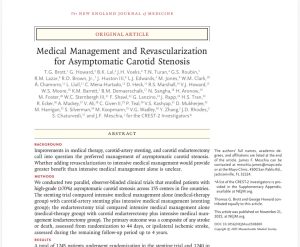
A major international study, the CREST-2 trial, followed more than 2,400 people with severe but symptom-free carotid narrowing. All received excellent medical care to control blood pressure, cholesterol, and other risk factors. The study showed that those who also underwent carotid stenting had about half the risk of stroke or early death over four years compared with those on medicines alone. This suggests that identifying severe carotid disease early and treating it when appropriate can offer added protection in high-risk individuals.
A carotid Doppler ultrasound is a simple, non-invasive scan done on the neck. It uses sound waves—no radiation—to check for plaque and assess how much the artery is narrowed. It isn’t suggested for everyone, but it can be useful for people with multiple stroke risk factors such as high blood pressure, diabetes, high cholesterol, smoking, heart or peripheral artery disease, or a strong family history. For adults above 50–55 with these risks, adding a carotid Doppler to the annual health check can help detect silent but dangerous blockages before they cause harm.
The most effective way to prevent stroke remains good control of blood pressure, cholesterol, and diabetes; quitting smoking; regular physical activity; and maintaining a healthy weight. Anyone who experiences sudden weakness, facial drooping, slurred speech, vision loss, or sudden imbalance should treat it as an emergency and get to a stroke-ready hospital immediately. These brief “warning strokes” may be the first sign of significant carotid disease—and a chance to prevent something far more serious